Planning a corporate hamper delivery can feel like juggling flaming swords—exciting yet potentially disastrous if you miss a beat. Whether you’re rewarding clients, thanking employees, or celebrating a milestone, a well‑crafted timeline keeps the project on track and the smiles wide. In this guide, we’ll walk through the essential steps to how to create a corporate hamper delivery timeline Australia that runs smoothly from concept to doorstep.
Understanding the Corporate Hamper Landscape
Why Timelines Matter
A timeline is the backbone of any successful delivery project. It turns vague ideas into concrete actions, ensuring that every stakeholder knows when and what is expected. Without a clear schedule, you risk late deliveries, budget overruns, and, worst of all, a disgruntled recipient who feels like they’re getting a “late‑night snack” instead of a thoughtful gift.
Common Pitfalls
- Underestimating lead times – Australia’s vast geography can turn a two‑day trip into a week. Skipping stakeholder input – A timeline that only the project manager sees is like a GPS that only works for one driver. Ignoring contingencies – Weather, customs delays, and supplier hiccups can derail even the best plans.
> “A Click for source project that is well planned is a project that is half‑finished.” – Unknown
Mapping Your Delivery Timeline
Define the Scope
Start by answering the fundamental question: What exactly are we delivering?
Event management- Hamper contents (food, beverages, corporate swag, etc.) Target audience (clients, employees, partners) Quantity Delivery locations (cities, states, remote areas)
Identify Key Milestones
Break the project into manageable chunks.
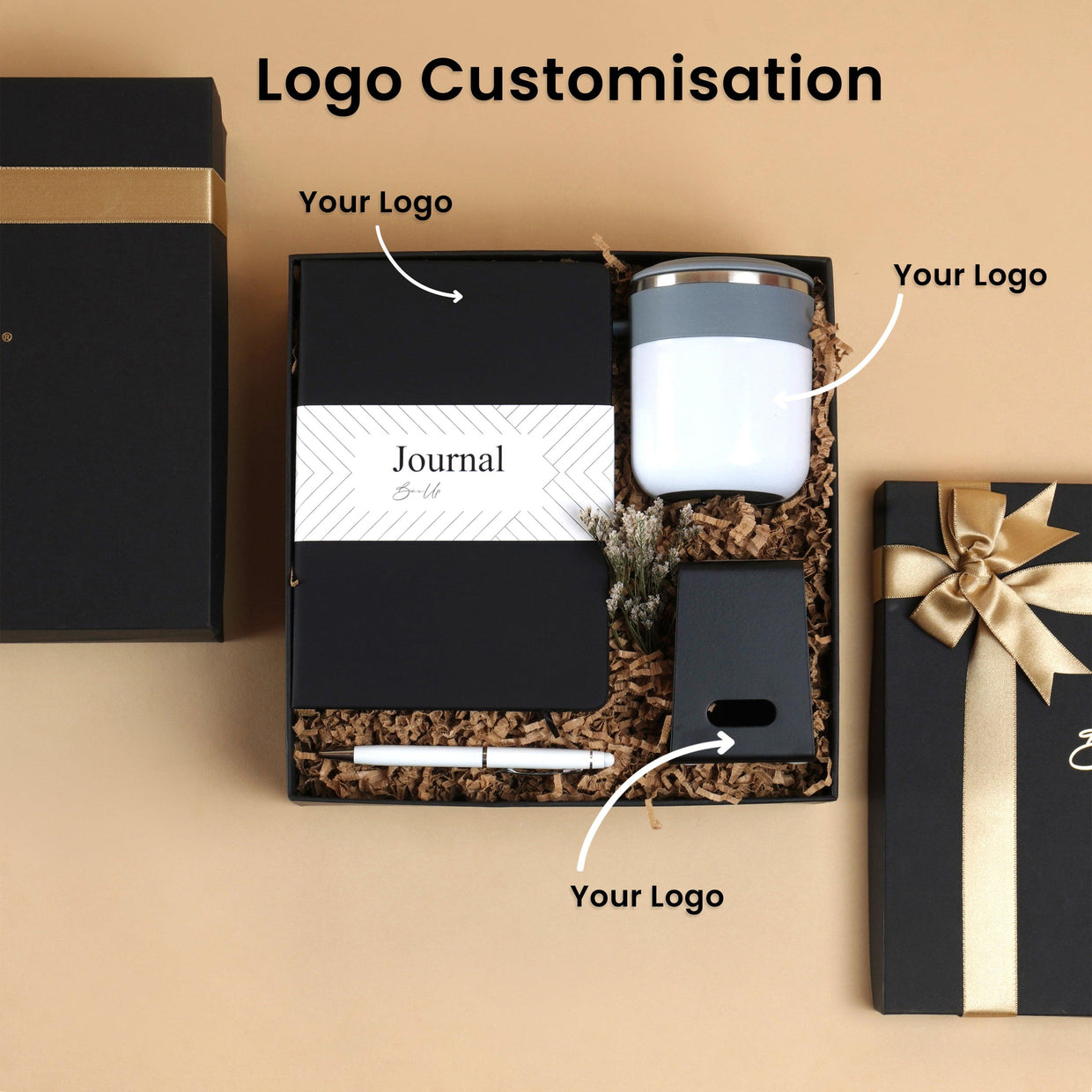
- Kick‑off meeting – Align vision and expectations. Supplier selection – Secure ingredients and packaging. Design approval – Finalize hamper layout and branding. Production start – Begin assembly. Quality check – Ensure each hamper meets standards. Logistics coordination – Arrange transport and customs paperwork. Final delivery – Hand over to recipients.
Build a Visual Schedule
Use a Gantt chart or simple spreadsheet.

- Columns: Task, Start Date, End Date, Duration, Owner, Dependencies. Color‑code: Green for on‑track, yellow for at‑risk, red for critical. Milestone markers: Highlight major checkpoints for quick reference.
Choosing the Right Partners
Selecting Suppliers
Australia boasts a vibrant supplier network, but you need the right mix.
- Local produce: Freshness matters, especially for food hampers. Reputable packaging: Durable, eco‑friendly options reduce spoilage. Brand alignment: Suppliers that understand your corporate identity add value.
Logistics and Distribution
- Domestic carriers: Choose those with a track record of on‑time delivery across states. International shipping: If you’re sending hampers overseas, partner with freight forwarders experienced in customs clearance. Last‑mile solutions: For remote areas, consider local couriers or in‑house delivery teams.
Crafting the Timeline Document
Templates and Tools
- Excel or Google Sheets: Great for flexibility. Project management software (e.g., Trello, Asana): Adds collaboration features. Template example: Task | Start | End | Duration | Owner | Status | Notes
Including Contingency Plans
- Buffer days: Add 10–15% extra time for high‑risk tasks. Alternative suppliers: Keep a list of backup vendors. Weather alerts: For road or air transport, monitor forecasts and have a plan B.
Communicating and Monitoring
Stakeholder Updates
- Weekly briefings: Share progress, risks, and next steps. Dashboards: Visualize key metrics (e.g., % of hampers ready). Feedback loops: Encourage questions and suggestions.
Tracking Progress
- Milestone checks: Verify completion before moving on. Issue logs: Document problems and resolutions. Final audit: Ensure every hamper meets the agreed specifications.
Fine‑Tuning and Continuous Improvement
Feedback Loops
After delivery, gather insights from recipients and internal teams.
- Surveys: Rate satisfaction, packaging, and overall experience. Team debriefs: Discuss what worked and what didn’t.
Scaling for Future Events
- Documentation: Keep a master timeline template for reuse. Lessons learned: Store them in a shared repository. Automation: Explore tools that can auto‑populate dates based on lead times.
The Final Touch – Making Your Corporate Hamper Delivery a Success
Imagine the moment the first hamper arrives at a client’s office. The unboxing experience is like opening a gift on a rainy day—unexpected, delightful, and memorable. By following the steps above, you’ll ensure that every hamper arrives on time, looks professional, and conveys the thoughtfulness your brand stands for.
Remember, a timeline is not a rigid schedule; it’s a living document that adapts to change. Treat it like a well‑tended garden—water it regularly, prune where necessary, and watch it bloom into a spectacular showcase of your company’s care and commitment.
Now that you’ve got the roadmap, it’s time to roll up your sleeves, grab that spreadsheet, and start crafting your corporate hamper delivery timeline Australia. Your recipients will thank you, your team will appreciate the clarity, and you’ll finally have that sweet, sweet feeling of a job well done.